

THE CONTEXT
In 2024, Oklahoma City experienced 78 homicides—three more than the number of homicides in 2023 and 4 more than 2022 giving us a per capita number of a little over 10 homicides per 100,000 people. That ranked OKC at about 58 among the leading 200 cities in homicides. But as of September 2025, homicides have been down 21% so far compared to this time last year. We expect these numbers to continue to fall because violence is preventable.
And we are working hard to prevent it.
While Peace City's Community-Based Violence Intervention program relies on an evidence-based model, the program is shaped by community and local assets, ensuring that the program is a program "OF" the community.
Proven Strategies Exist
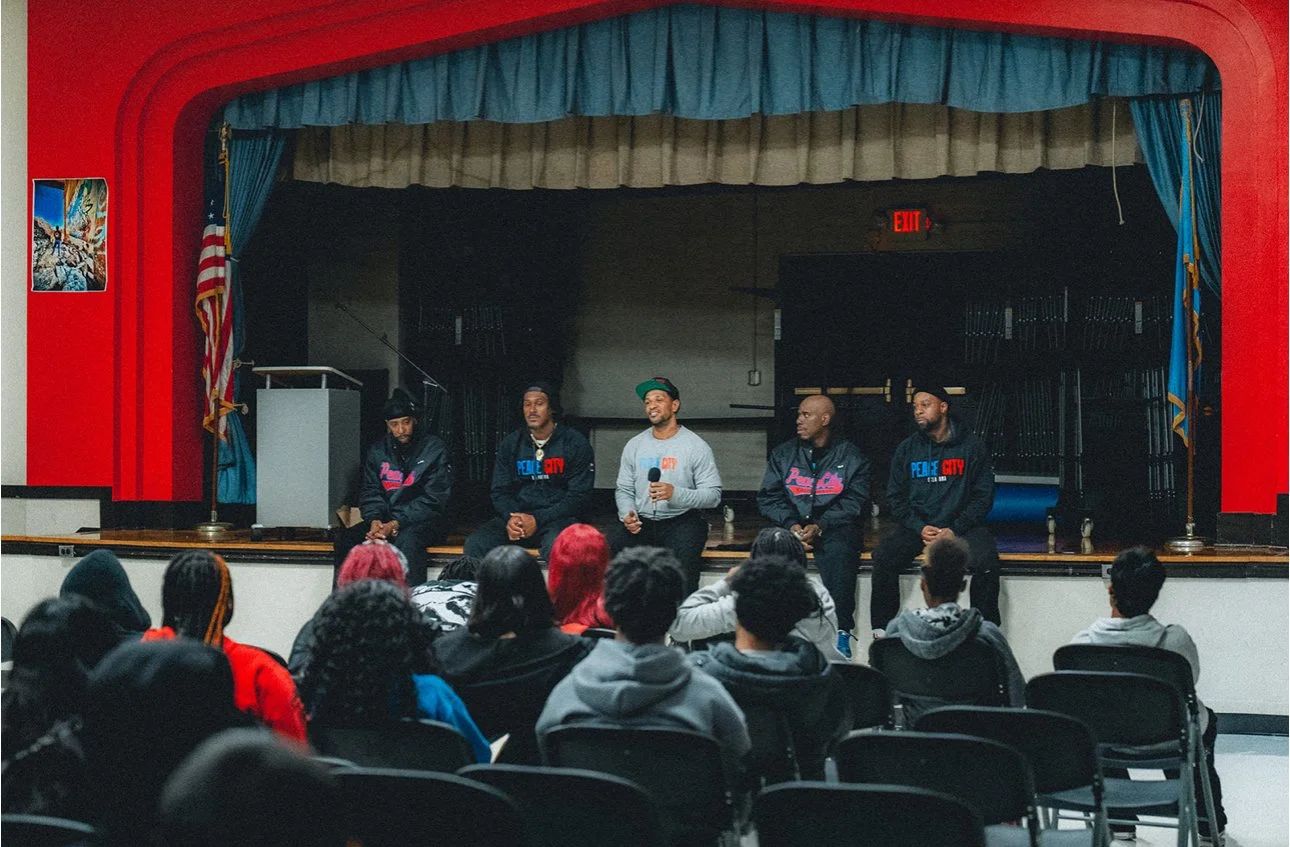
There are proven, evidence-based violence reduction strategies that are simply not funded or supported at scale. These strategies typically reduce shootings and homicides by 30-60% (without increasing incarceration), but often go ignored.
A small number of very high-risk individuals are responsible for the majority of gun violence.
In many cities, up to 70% of gun related homicides can be attributed to this small, identifiable group of individuals.
A central principle underlying the CVI Model is to engage this group.
In Oakland, for example, researchers found that, despite a high proportion of residents with criminal records, only about 400 of the over 400,000 residents were involved in the majority of homicides.
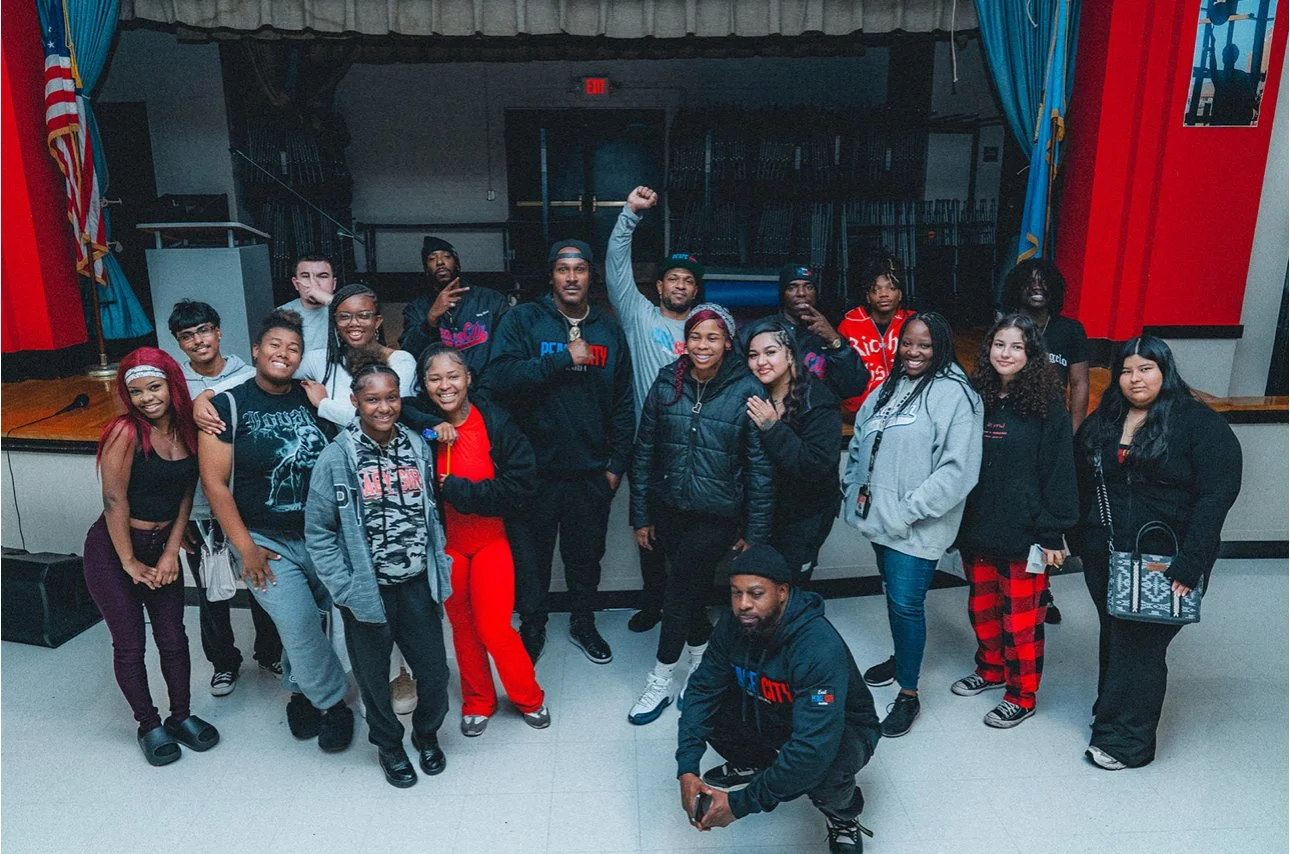
At Peace City we recruit inviduals in our community with a combination of respect, trust, experience, and credibility. Our PeaceMakers then receive extensive and ongoing training from national leaders in the most current, effective, and safe techniques in violence intervention and case management.
PeaceMakers then rely on these techniques to perform community outreach in a way that allows individuals ready to find a life free from gun violence to access our program and services. Additionally, the PeaceMakers work to support families and victims in crisis to ensure the victimization and trauma of gun violence does not ripple further into new cycles of violence.
Once a new program participant has made the commitment to refrain from violence, PeaceMakers go to work providing much-needed, critical resources to ensure short-term and long-term recovery from a cycle of violence.
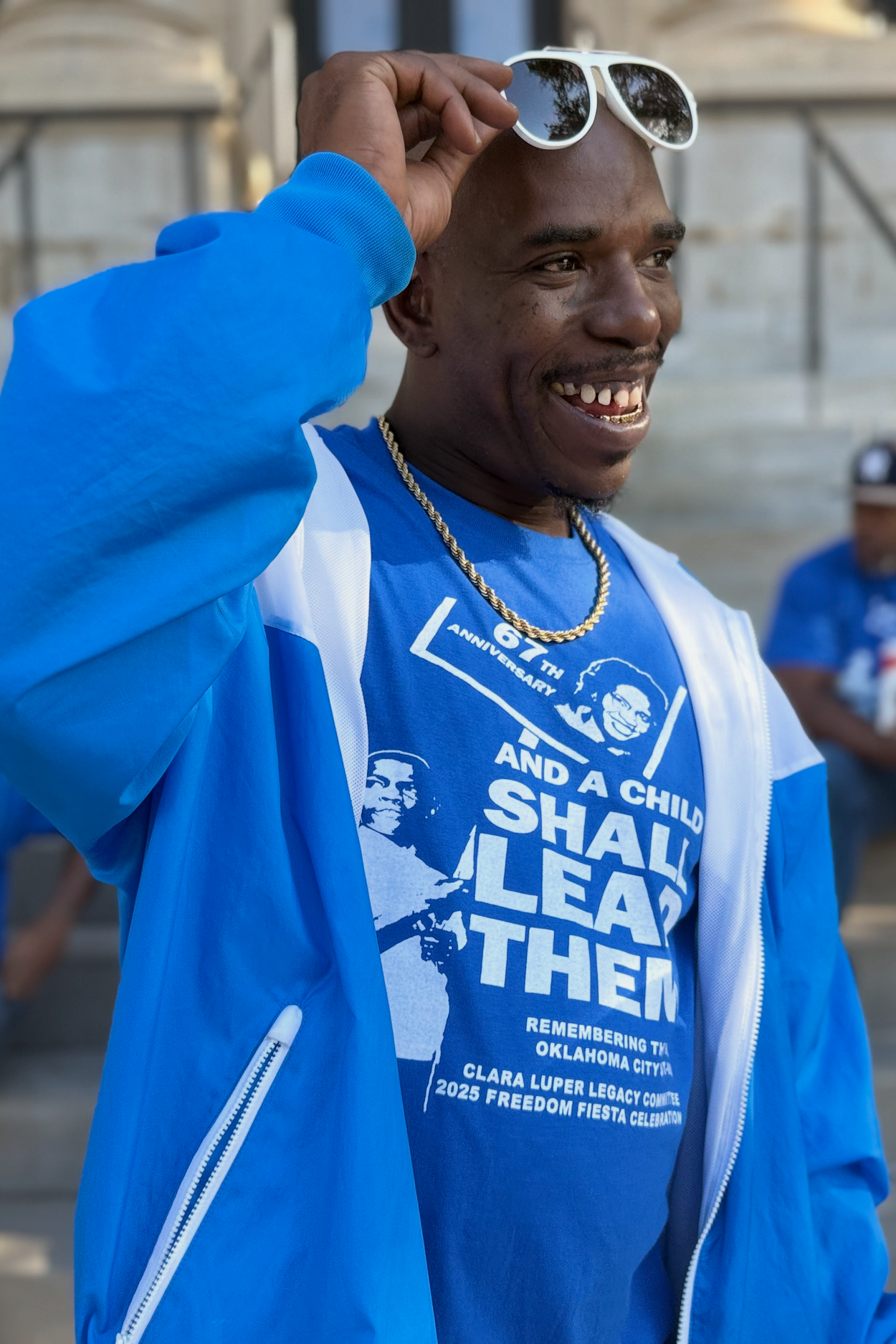
Through community partnerships, Peace City is able to provide the below services to program participants:
HOW
WE
DO
IT
MENTORSHIP
PEER SUPPORT GROUP
MENTAL & BEHAVIORAL HEALTH CARE
GED/DIPLOMA SUPPORT
EDUCATION ACCESS SUPPORT
SUBSTANCE USE DISORDER (AA/NA)
FAITH / RELIGIOUS / SPIRITUAL SERVICES
COMMUNITY SERVICE OPPORTUNITIES
VICTIMS SERVICES
HOLISTIC GRIEF SUPPORT GROUPS
EMPLOYMENT SUPPORT SERVICES
TRANSPORTATION
HOUSING SUPPORT (EMERGENCY & LONG-TERM)
FAMILY SERVICES
PRIMARY CARE
OUR MODEL

DO YOU NEED OUR HELP?
If so, please complete the form below, and we’ll be in touch.
All messages are kept strictly confidential.